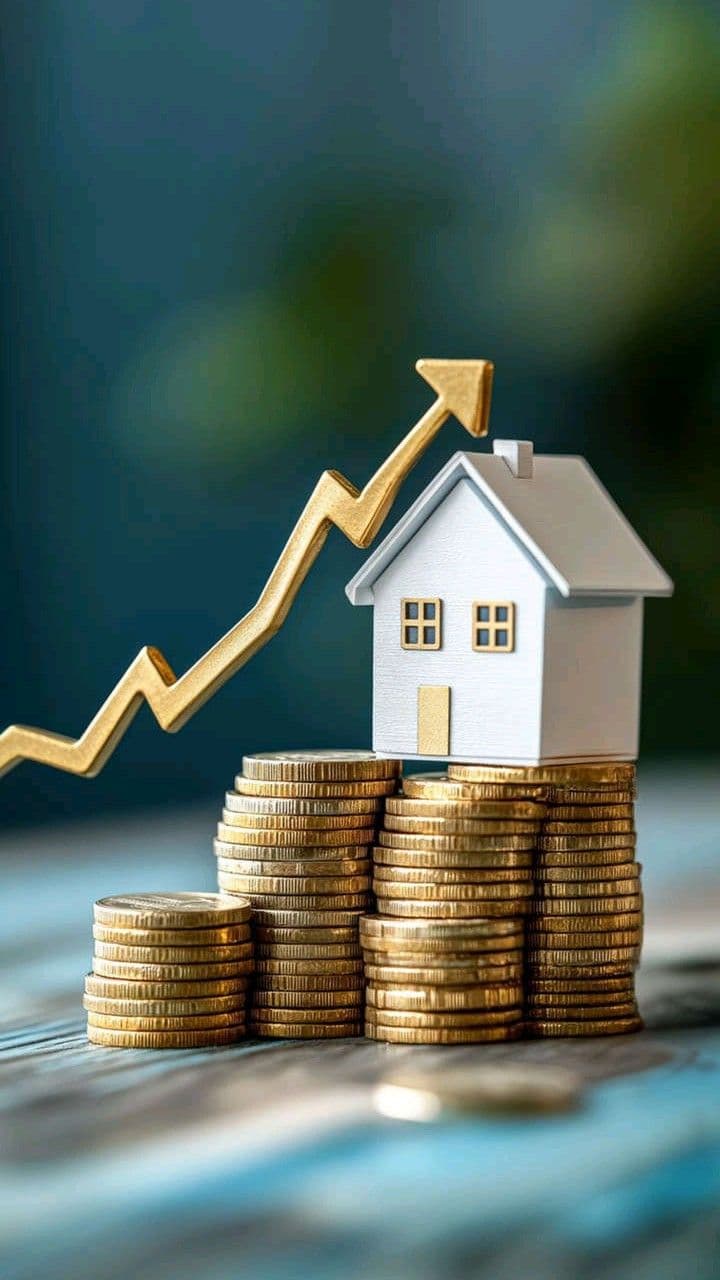
Why Property Prices Keep Rising In Nigeria
Oluwadamilola
AuthorProperty prices across Nigeria have changed dramatically in recent years. A piece of land or a house that once seemed affordable can suddenly cost millions more within a short period. For many buyers and investors, this has raised an important question: Why do property prices in Nigeria keep rising?
1. Increasing Demand for Property in Growing Cities
A piece of land that sold for ₦5 million a few years ago may now cost twice as much. In many parts of Nigeria, properties are selling faster, prices are climbing, and buyers are asking the same question: Why are property prices in Nigeria rising so quickly?
One of the biggest reasons is the growing demand for property in major cities.
As more people move to cities like Lagos, Abuja, Port Harcourt, and Ibadan for work, business, education, and better opportunities, the need for housing continues to increase. More families are looking for homes, more businesses need commercial spaces, and more investors are buying land for future development.
The challenge is that the number of people looking for property is growing faster than the number of available properties. When demand becomes higher than supply, the cost of buying property in Nigeria naturally increases.
This trend is one of the key reasons property prices in Nigeria continue to rise. For buyers, it means waiting too long could result in paying more for the same property. For investors, it shows why growing cities often offer strong long-term opportunities.
One of the best property investment tips is to pay attention to areas experiencing rapid growth. Locations with new infrastructure, expanding businesses, and increasing population often experience higher property demand and stronger price appreciation over time.
Understanding how demand affects the Nigeria real estate market allows you to make informed decisions instead of reacting to rising prices. Rather than asking why property has become expensive, focus on identifying locations with long-term value before prices climb even higher.
2. Inflation and Rising Construction Costs
Another major reason property prices in Nigeria continue to rise is the increasing cost of building and developing properties. Inflation affects almost every part of the construction process, making it more expensive for developers to complete new projects.
The prices of essential building materials such as cement, iron rods, roofing sheets, tiles, and electrical fittings have increased significantly over the years. In addition to material costs, transportation, labour, and equipment expenses have also gone up. As these costs continue to rise, developers and property owners often adjust their selling prices to recover their investment.
This increase directly affects the cost of buying property in Nigeria. Whether you are purchasing a newly built home, an apartment, or investing in land within a developing estate, the higher cost of construction is usually reflected in the final price.
As a buyer or investor, understanding this trend can help you make better decisions. One of the best property investment tips is to buy in promising locations before major developments are completed, as prices often increase once construction costs and demand begin to rise.
Keeping an eye on housing market trends in Nigeria also allows you to plan your purchase more effectively. Rather than waiting for prices to drop, focus on properties with long-term value that fit your budget and investment goals.
3. Land Scarcity and Location Value
The availability of land plays a major role in why property prices are rising in Nigeria. As cities continue to grow, the amount of land available for new developments becomes more limited, especially in high-demand areas. When land is scarce and more people want to buy, prices naturally increase.
Location also has a strong influence on property prices in Nigeria. Properties in areas with good road networks, reliable security, quality schools, hospitals, shopping centres, and other essential amenities are often more expensive because they offer greater convenience and long-term value.
As a buyer or investor, it is important to look beyond the current price of a property. Consider the future potential of the location. Areas experiencing rapid development, improved infrastructure, or increasing commercial activities often appreciate faster than less-developed locations.
One of the most valuable property investment tips is to identify promising locations before they become highly sought after. Buying early in a developing area can help you secure a better price and enjoy higher returns as the location grows.
Understanding how land scarcity and location influence the Nigeria real estate market allows you to make informed decisions and choose properties with stronger long-term value rather than focusing only on the initial purchase price.
4. Infrastructure Development and Urban Expansion
Infrastructure development is another key reason property prices in Nigeria continue to increase. When the government or private investors develop an area by constructing new roads, bridges, rail lines, schools, hospitals, shopping centres, or business hubs, the demand for properties in that location often rises.
These improvements make an area more attractive to homebuyers, businesses, and investors. As more people move into the area, the cost of buying property in Nigeria, particularly in developing locations, begins to increase because demand grows faster than the available properties.
As a buyer or investor, it is important to pay attention to areas experiencing rapid urban expansion. Locations that are currently developing may offer more affordable prices today, but their value can increase significantly as new infrastructure projects are completed.
One of the smartest property investment tips is to invest in locations with planned or ongoing developments. Keeping up with housing market trends in Nigeria and understanding how infrastructure affects the Nigeria real estate market can help you identify high-growth areas and make better long-term investment decisions.
5. Increased Interest in Real Estate Investment
The growing interest in real estate investment is another major factor contributing to the rise in property prices in Nigeria. More people now see land, houses, and commercial properties as a way to protect their wealth, generate income, and build long-term financial security.
As more investors enter the market, the demand for properties increases. When many buyers compete for limited properties, especially in fast-developing areas, prices naturally go higher. This increased competition is one of the reasons the cost of buying property in Nigeria continues to rise.
For many investors, real estate is attractive because property can appreciate in value over time. Unlike some investments that may change quickly, land and buildings are often viewed as long-term assets with growth potential. This has encouraged more individuals, businesses, and diaspora investors to participate in the Nigeria real estate market.
As a buyer, understanding this trend can help you make smarter decisions. One of the important property investment tips is to research locations, study market trends, and focus on properties that have strong future value.
The rise in real estate interest shows why understanding housing market trends in Nigeria is important. With proper research and property due diligence, you can identify opportunities and make informed investment decisions in a competitivemarket.
6. Government Policies and Economic Factors
Government policies and economic conditions also play an important role in determining property prices in Nigeria. Changes in areas such as interest rates, taxes, land regulations, and development policies can affect how much buyers and investors spend on real estate.
When the cost of doing business increases or the economy experiences challenges such as inflation, property owners and developers may increase prices to cover higher expenses. These changes directly affect the cost of buying property in Nigeria and influence decisions in the Nigeria real estate market.
Government projects and policies can also increase property value in certain areas. For example, improved infrastructure, new development plans, or changes that encourage investment can make some locations more attractive to buyers and investors.
As a buyer or investor, paying attention to economic changes can help you make better property decisions. Understanding housing market trends in Nigeria allows you to prepare for price changes and identify opportunities in the market.
One of the important property investment tips is to look beyond the current price and consider how economic factors and government decisions may affect the future value of the property.
7. Why Buyers Should Understand Market Trends Before Buying
Understanding property market trends in Nigeria is important before making any real estate decision. With property prices in Nigeria constantly changing, buying without proper research can lead to poor investment choices or paying more than the property is worth.
When you understand the market, you can identify important factors such as growing locations, changing property values, demand levels, and areas with better future potential. This knowledge helps you make smarter decisions instead of rushing because of fear of rising prices.
For first-time buyers and investors, one of the best property investment tips is to study the location, compare prices, and carry out proper property due diligence before making payment. A property may look affordable today, but understanding its future value can determine whether it becomes a good investment.
Keeping up with housing market trends in Nigeria also helps you know when and where to invest. Whether you are buying land, a home, or a commercial property, market knowledge gives you confidence and reduces the chances of making costly mistakes.
The goal is not just to buy a property, it is to make a decision that protects your money and creates long-term value in the changing Nigeria real estate market.
Property prices in Nigeria continue to rise because increasing demand, inflation, limited land availability, development and investment interest. Understanding these factors helps buyers and investors make better decisions instead of reacting emotionally to market changes.
Realestway can help buyers and investors stay informed, discover property opportunities, and make smarter decisions in a changing real estate market.
Oluwadamilola
Written for Realestway · 1 July 2026Expert real estate insights helping buyers, renters, and investors make confident decisions across Nigeria.
Ready to find your next home?
Browse 6,000+ verified property listings across Lagos, Abuja, Port Harcourt and all of Nigeria.
Also Read
More in Property Market Insights
The Biggest Property Market Trends in Nigeria
Property prices across Nigeria are changing at a pace that many buyers never expected. A house that was affordable a few years ago may cost significantly more, while the price of land in developing areas continues to climb. These changes have left many people wondering whether now is the right time to invest or wait.
How To Find Reliable Property Valuation Services In Nigeria
Many property owners assume they know what their property is worth until a professional valuation reveals a completely different figure. Buying, selling, or investing in property can be exciting, but one question often determines whether you make a smart decision or expensive mistake: How much is the property really worth?